
Long Approaches
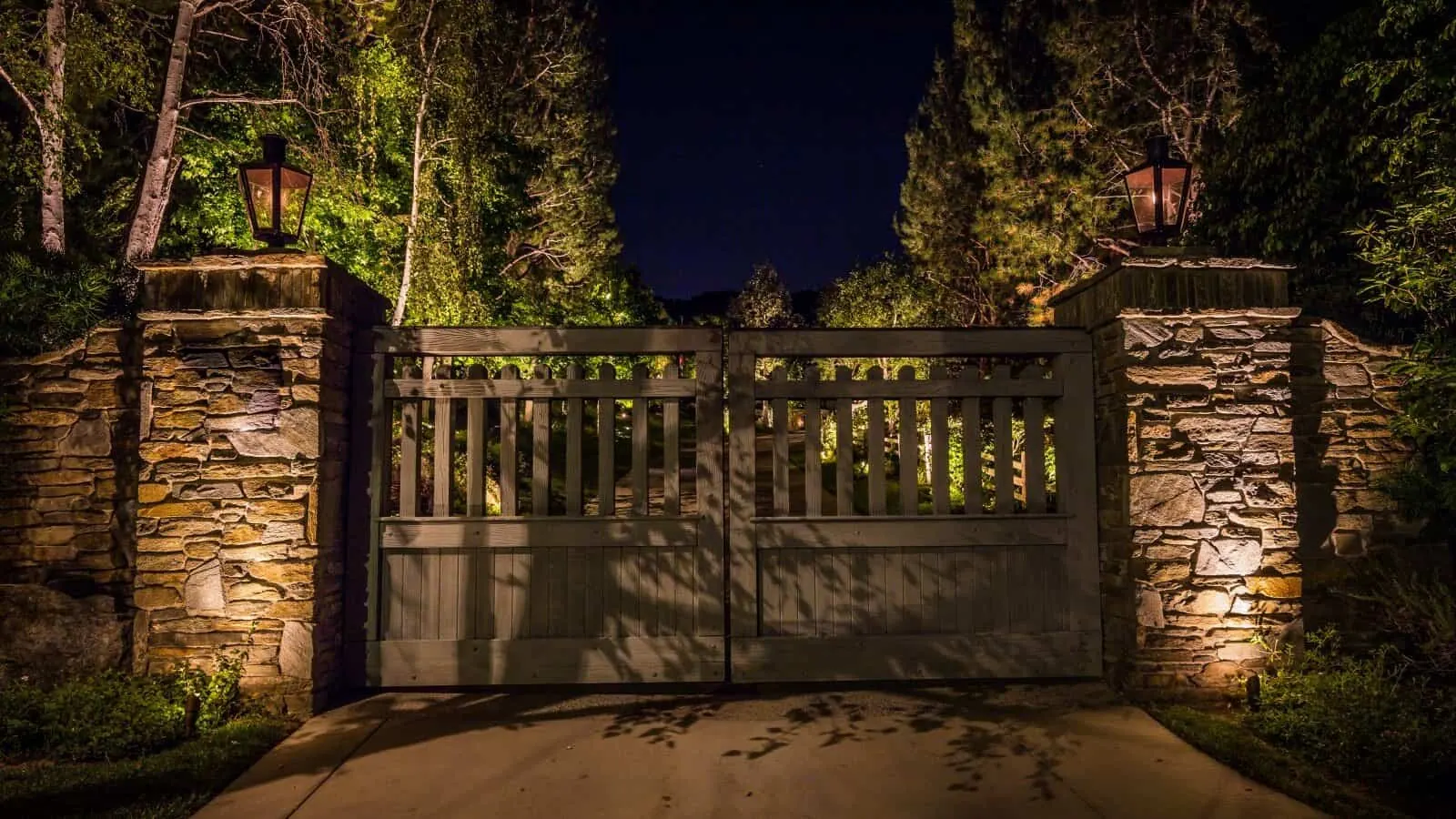
Driveways, gates, walks, and entries can be organized with subtle lighting that guides without creating a runway.
Brays Island Service Area
Brays Island landscape lighting should feel deliberate, quiet, and deeply connected to the property. Larger homesites, long approaches, mature trees, and natural edges usually call for restraint: enough light to guide movement and reveal architecture without overpowering the setting.
✓ Long approach lighting
✓ Mature natural landscapes
✓ Restrained low-voltage design
Fastest next step
Share the areas you want to improve after dark, the issues you want to solve, and the look you want for your property. We’ll help you decide what to tackle first.
Driveways, gates, walks, and entries can be organized with subtle lighting that guides without creating a runway.
Lighting plans should preserve the nighttime character of mature trees, open ground, and surrounding landscape.
Porches, columns, walls, and entries can be accented softly so the home and landscape read as one composition.
Plans should be clear and restrained for any homeowner review process, without assuming or inventing rules.
Local Lighting Plan
Restrained low-voltage outdoor lighting for Brays Island homesites, long approaches, mature natural landscapes, architectural details, paths, trees, and outdoor gathering areas.
Brays Island properties often need a different lighting rhythm than compact neighborhood lots. The route from drive to entry may be longer, the landscape may feel more natural, and the best lighting may be spread across fewer but more intentional focal points.
The priority is restraint. A good plan can define the arrival, reveal mature trees, and connect architectural features without making the property feel over-lit.
Ace Basin Landscape Lighting does not claim prior Brays Island projects or invent community rules. We plan select Beaufort-area lighting projects around the homeowner’s site, priorities, and any review requirements that apply to that specific property.
For Brays Island, SC, the best lighting plan usually starts with the property's most visible and most-used areas: the front approach, driveway, steps, porches, paths, outdoor living areas, focal trees, and any dock or waterfront route.
Relevant service details for Brays Island homes include: landscape lighting installation for phased whole-property low-voltage plans, and architectural lighting for soft exterior accents that integrate with the home.
The two primary Charleston service pages are landscape lighting installation in Charleston for new systems and Charleston landscape lighting repair for existing-system troubleshooting, maintenance, and upgrades.
Brays Island | Larger homesites | Long driveways | Mature trees | Natural landscape edges | Outdoor gathering areas
Local Detail
Brays Island lighting should account for long approaches, larger homesites, natural landscape character, architectural integration, and private-community planning considerations without assuming specific rules.
Bigger properties benefit from phased lighting that starts with arrival, major trees, and primary outdoor living spaces.
Lighting should create orientation and depth without lining the entire route with unnecessary fixtures.
Tree uplighting and low accents should work with the natural setting instead of overpowering it.
1
Gate, driveway, and front-entry lighting for long approaches
2
Live oak and specimen tree uplighting
3
Architectural accents for entries, porches, columns, and walls
4
Path lighting around primary walking routes and gathering spaces
5
Phased low-voltage lighting plans that avoid over-lighting
Local Services
A Brays Island lighting plan should identify the few areas that matter most after dark: the approach, the entry, the primary trees, and the outdoor spaces people actually use.
Rather than adding fixtures everywhere, the design should create a quiet sequence of light that helps the property feel composed.
Long approaches can use restrained visual cues at turns, gates, trees, and the final entry. Architectural lighting can then connect the home to the landscape without washing out walls or porches.
Fixture placement should respect darkness as part of the setting. Beam spread, fixture count, color temperature, and glare control matter more than maximum brightness.
Process
Step 1
Review gates, drives, turns, parking areas, walks, and the final entry experience after dark.
Step 2
Choose the trees, architectural details, and outdoor spaces that deserve light first.
Step 3
Use fixture count, beam spread, and aiming to protect the natural nighttime setting.
Step 4
Tune the system after sunset so the property feels guided and composed, not bright.
Nearby Locations
Support
If the lighting plan needs follow-up work after installation, we can help with repair and maintenance support in Beaufort.
For dead fixtures, dim zones, transformer issues, wiring faults, and layout corrections.
See Beaufort repair servicesFor fixture cleaning, re-aiming, timer checks, LED replacement, and seasonal tune-ups.
See Beaufort maintenance servicesFAQ
Yes, for select Beaufort-area projects. Ace Basin Landscape Lighting is based in Charleston and can help plan restrained low-voltage lighting for larger homesites, long approaches, trees, entries, and outdoor spaces.
Driveway and arrival lighting, mature tree uplighting, subtle architectural accents, and path lighting around the most-used outdoor routes are often strong starting points.
Yes. The design can use fewer focal points, warm color temperature, controlled beam spread, and after-dark adjustment to preserve the natural nighttime setting.
We do not invent or claim specific community rules. We focus on clear, restrained plans that homeowners can compare with any requirements that apply to their property.
Yes. Larger homesites are often a good fit for phased lighting that starts with the approach, entry, main trees, or primary outdoor living area.
Quote Request
Tell us about the approach, trees, architecture, paths, or outdoor spaces you want to improve after dark and we will help plan a restrained first phase.